UNIT I: Indian History, Culture and Heritage India, That Is Bharat India’s Constitution itself recognizes the country by two names. Article 1 explicitly states: *“India, that is Bharat, shall be a Union of States”*. In other words, both “India” and “Bharat” refer to the same nation. The name Bharat has deep roots in ancient texts (e.g. the Vishnu Purana’s description of “Bharata-varsha” in the Indian subcontinent) and is popularly interpreted to mean “the shining one” or “land of values”. This dual naming embodies India’s historical continuity: a modern republic (India) built on millennia of civilization (Bharat). The Great Indian Heritage India’s heritage is extraordinarily rich and diverse, yet remains united by shared values. For example, the Taj Mahal in Agra – built 1631–48 by Mughal emperor Shah Jahan – is described by UNESCO as *“the jewel of Muslim art in India and one of the universally admired masterpieces of the world’s heritage”*. Monuments like this, along with ancient temples (e.g. Khajuraho, Konark) and Buddhist stupas (e.g. Sanchi), testify to India’s architectural and artistic accomplishments. India’s heritage also includes classical music and dance (Hindustani and Carnatic music; Bharatanatyam, Kathak, etc.), literature in many languages, and rich mythologies (Hindu epics, Buddhist/Jain traditions, etc.). Despite this diversity, there is unity: as one author notes, India is “diversified [in culture], yet… a place where every religion, culture and dialect has equal respect and prestige”. Festivals like Diwali, Eid, Christmas and Vishu are celebrated widely across communities, and a tradition of tolerance and syncretism (e.g. Sikhism’s fusion of Hindu-Muslim ideas) underpins the composite culture. Modern India’s heritage also includes vernacular languages (India has 22 official languages) and living folk traditions (crafts, performing arts), all of which illustrate a civilization that blends ancient customs with ongoing creativity. Landmarks in the Indian Freedom Movement The struggle for independence (c. 1857–1947) unfolded over many key episodes. The Rebellion of 1857 (often called India’s First War of Independence) was a nationwide uprising of sepoys against British rule. It “spread rapidly across northern and central India” and featured leaders like Rani Lakshmi Bai of Jhansi and Nana Sahib. Although it was ultimately suppressed, 1857 shattered the old feudal order. In response, the British Crown took direct control (the Raj era), but Indian nationalism continued to grow. In 1885 the Indian National Congress was founded – the first nationwide political forum for Indian leaders – marking the start of an organized freedom movement. Events such as the 1905 Partition of Bengal (provoking the Swadeshi movement) and the Jallianwala Bagh massacre (1919) further galvanized Indians. In the 20th century, Mahatma Gandhi’s leadership led mass movements of non-cooperation and civil disobedience (e.g. the 1930 Salt March). Finally, the Quit India Movement (1942) and World War II weakened British control. India achieved independence on 15 August 1947, and the new nation celebrates every Independence Day with a flag-hoisting ceremony. For example, each year the Indian flag is raised in ceremonies across the country, symbolizing the hard-won freedom. These milestones – from 1857 to 1947 – are remembered as the landmarks of India’s freedom movement.
![UNIT I: Indian History, Culture and Heritage
India, That Is Bharat
India’s Constitution itself recognizes the country by two names. Article 1 explicitly states: *“India, that is Bharat, shall be a Union of States”*. In other words, both “India” and “Bharat” refer to the same nation. The name Bharat has deep roots in ancient texts (e.g. the Vishnu Purana’s description of “Bharata-varsha” in the Indian subcontinent) and is popularly interpreted to mean “the shining one” or “land of values”. This dual naming embodies India’s historical continuity: a modern republic (India) built on millennia of civilization (Bharat).
The Great Indian Heritage
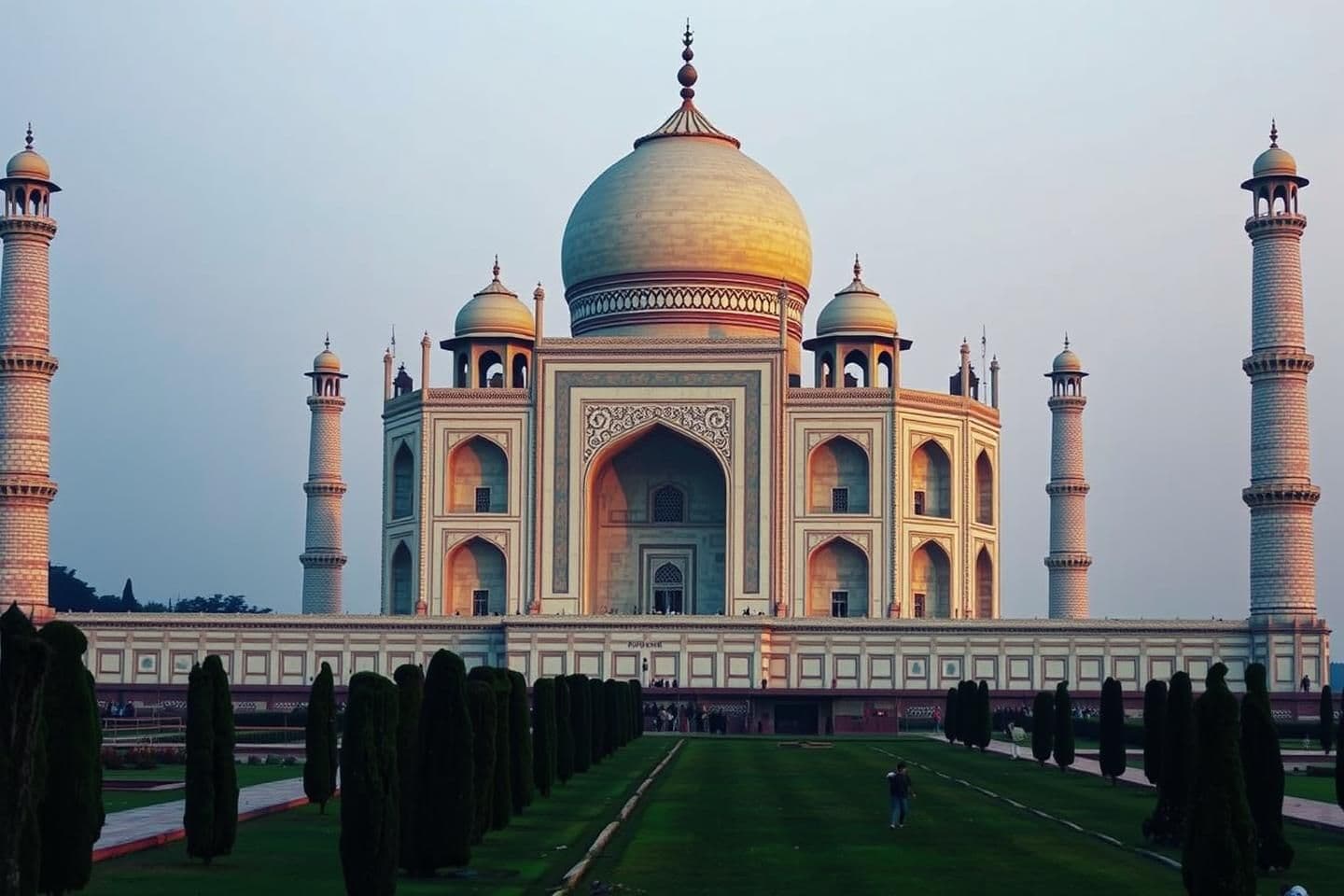
India’s heritage is extraordinarily rich and diverse, yet remains united by shared values. For example, the Taj Mahal in Agra – built 1631–48 by Mughal emperor Shah Jahan – is described by UNESCO as *“the jewel of Muslim art in India and one of the universally admired masterpieces of the world’s heritage”*. Monuments like this, along with ancient temples (e.g. Khajuraho, Konark) and Buddhist stupas (e.g. Sanchi), testify to India’s architectural and artistic accomplishments. India’s heritage also includes classical music and dance (Hindustani and Carnatic music; Bharatanatyam, Kathak, etc.), literature in many languages, and rich mythologies (Hindu epics, Buddhist/Jain traditions, etc.). Despite this diversity, there is unity: as one author notes, India is “diversified [in culture], yet… a place where every religion, culture and dialect has equal respect and prestige”. Festivals like Diwali, Eid, Christmas and Vishu are celebrated widely across communities, and a tradition of tolerance and syncretism (e.g. Sikhism’s fusion of Hindu-Muslim ideas) underpins the composite culture. Modern India’s heritage also includes vernacular languages (India has 22 official languages) and living folk traditions (crafts, performing arts), all of which illustrate a civilization that blends ancient customs with ongoing creativity.
Landmarks in the Indian Freedom Movement
The struggle for independence (c. 1857–1947) unfolded over many key episodes. The Rebellion of 1857 (often called India’s First War of Independence) was a nationwide uprising of sepoys against British rule. It “spread rapidly across northern and central India” and featured leaders like Rani Lakshmi Bai of Jhansi and Nana Sahib. Although it was ultimately suppressed, 1857 shattered the old feudal order. In response, the British Crown took direct control (the Raj era), but Indian nationalism continued to grow. In 1885 the Indian National Congress was founded – the first nationwide political forum for Indian leaders – marking the start of an organized freedom movement. Events such as the 1905 Partition of Bengal (provoking the Swadeshi movement) and the Jallianwala Bagh massacre (1919) further galvanized Indians. In the 20th century, Mahatma Gandhi’s leadership led mass movements of non-cooperation and civil disobedience (e.g. the 1930 Salt March). Finally, the Quit India Movement (1942) and World War II weakened British control. India achieved independence on 15 August 1947, and the new nation celebrates every Independence Day with a flag-hoisting ceremony.
For example, each year the Indian flag is raised in ceremonies across the country, symbolizing the hard-won freedom. These milestones – from 1857 to 1947 – are remembered as the landmarks of India’s freedom movement.](/_next/image?url=https%3A%2F%2Fluraivin-generated-images.s3.us-east-1.amazonaws.com%2Fimages%2F73c7b0f5-196c-46a4-b28f-b50eaa0fd61a.jpg&w=3840&q=75)
![UNIT I: Indian History, Culture and Heritage
India, That Is Bharat
India’s Constitution itself recognizes the country by two names. Article 1 explicitly states: *“India, that is Bharat, shall be a Union of States”*. In other words, both “India” and “Bharat” refer to the same nation. The name Bharat has deep roots in ancient texts (e.g. the Vishnu Purana’s description of “Bharata-varsha” in the Indian subcontinent) and is popularly interpreted to mean “the shining one” or “land of values”. This dual naming embodies India’s historical continuity: a modern republic (India) built on millennia of civilization (Bharat).
The Great Indian Heritage
India’s heritage is extraordinarily rich and diverse, yet remains united by shared values. For example, the Taj Mahal in Agra – built 1631–48 by Mughal emperor Shah Jahan – is described by UNESCO as *“the jewel of Muslim art in India and one of the universally admired masterpieces of the world’s heritage”*. Monuments like this, along with ancient temples (e.g. Khajuraho, Konark) and Buddhist stupas (e.g. Sanchi), testify to India’s architectural and artistic accomplishments. India’s heritage also includes classical music and dance (Hindustani and Carnatic music; Bharatanatyam, Kathak, etc.), literature in many languages, and rich mythologies (Hindu epics, Buddhist/Jain traditions, etc.). Despite this diversity, there is unity: as one author notes, India is “diversified [in culture], yet… a place where every religion, culture and dialect has equal respect and prestige”. Festivals like Diwali, Eid, Christmas and Vishu are celebrated widely across communities, and a tradition of tolerance and syncretism (e.g. Sikhism’s fusion of Hindu-Muslim ideas) underpins the composite culture. Modern India’s heritage also includes vernacular languages (India has 22 official languages) and living folk traditions (crafts, performing arts), all of which illustrate a civilization that blends ancient customs with ongoing creativity.
Landmarks in the Indian Freedom Movement
The struggle for independence (c. 1857–1947) unfolded over many key episodes. The Rebellion of 1857 (often called India’s First War of Independence) was a nationwide uprising of sepoys against British rule. It “spread rapidly across northern and central India” and featured leaders like Rani Lakshmi Bai of Jhansi and Nana Sahib. Although it was ultimately suppressed, 1857 shattered the old feudal order. In response, the British Crown took direct control (the Raj era), but Indian nationalism continued to grow. In 1885 the Indian National Congress was founded – the first nationwide political forum for Indian leaders – marking the start of an organized freedom movement. Events such as the 1905 Partition of Bengal (provoking the Swadeshi movement) and the Jallianwala Bagh massacre (1919) further galvanized Indians. In the 20th century, Mahatma Gandhi’s leadership led mass movements of non-cooperation and civil disobedience (e.g. the 1930 Salt March). Finally, the Quit India Movement (1942) and World War II weakened British control. India achieved independence on 15 August 1947, and the new nation celebrates every Independence Day with a flag-hoisting ceremony.
For example, each year the Indian flag is raised in ceremonies across the country, symbolizing the hard-won freedom. These milestones – from 1857 to 1947 – are remembered as the landmarks of India’s freedom movement.](/_next/image?url=https%3A%2F%2Fluraivin-generated-images.s3.us-east-1.amazonaws.com%2Fimages%2Fa62f743e-f73f-4bad-9e85-7a0338f916e2.jpg&w=3840&q=75)